
7 Delicious Ways To Enjoy Seasonal Fruits and Vegetables

This post may contain affiliate links. Read the full disclosure here.
Each season has its share of gifts of nature on the table: crisp apples in the fall, berries in the summer, winter root vegetables, and greens in the spring. Eating fruits and vegetables that are in season is more than just a health benefit; it is a taste, texture, and creativity adventure. It is all about using your senses.
Check the brightness, touch the freshness, and sniff the ripeness. When you buy what is in the market, you purchase something nutritionally and taste-wise optimum. These fruits and vegetables are not only tastier, but also more vitamin and mineral-dense as well as antioxidants. In addition to this, local farmers are supported, and you save and minimize your carbon footprint by eating locally.
These are seven simple and tasty recipes on how to take full advantage of the seasonal food, adding variety, taste, and health to each meal.
1. Roast Your Vegetables for Comfort and Flavor

One of the simplest and most fulfilling methods of enjoying fruits and vegetables in season is roasting, particularly during the colder seasons. As you roast your vegetables, such as carrots, sweet potatoes, beets, or Brussels sprouts, the natural sugars in them caramelize, and they get a rich, slightly sweet taste that is difficult to resist. Taste and texture are enhanced in the process, making even the simplest produce special.
For the best of your seasonal selections, begin with firm, fresh vegetables that appear bright and touch heavy in their bulk. Oil them, add some herbs, and bake them in the oven until golden brown. Fall classics (squash and onions) and spring (asparagus and new potatoes) can be combined into a hearty and light meal. The roasted vegetables are also an excellent addition as a topping to any salad, grain bowl, or sandwich to provide a warm and enriching texture to the plate.
2. Toss Seasonal Salads for Color and Crunch
Seasonal salads are a delight to the senses, a combination of bright colors, crispness, and refreshing taste in one bowl. The key is variety. There are different ingredients every season to make your salads different all year round.
Spring has greens, radishes, and peas. Summer is brilliant with tomatoes, cucumbers, and corn. Apples, roasted pumpkin, and walnuts are characteristic of autumn, and citrus, beets, and kale can be used in winter salads.
A salad should have opposite textures and flavors: crunchy, creamy, sweet, and tangy. A drizzle of olive oil, lemon juice, or a seasonal vinaigrette completes the whole package and makes it perfect.
Adding roasted or grilled fruits is also possible to make it fun. Eating salads based on the season’s products can guarantee they are as fresh as possible, delicious, and healthy, making healthy eating more pleasant and formative to the eye.
3. Grill Fruits and Vegetables for a Smoky Twist

It is not only meat that is better with grilling, but also fruits and vegetables in season. Natural sugars are caramelized through the heat, making them sweeter and even smokier, adding a layer of flavor that cannot be resisted. This cooking method is most appropriate in summer when fruits and vegetables such as corn, zucchini, bell peppers, peaches, and pineapples are the freshest.
Grasp firm and lively produce before grilling. Rub with olive oil and sprinkle with salt or herbs. Grilled vegetables are served as a side dish, salads, wraps, or tacos.
Grilled fruit forms fantastic desserts or breakfast accompaniments- consider grilled peaches served with a squirt of yogurt or slices of pineapple with honey. Grilling transforms the sensorial approach to fresh produce by adding aroma, flavor, and texture to each bite.
4. Bake with Seasonal Fruits
Fruits in season can make an average cake look out of this world. It can be a summer berry tart, an apple crumble in the fall, or a citrus cake in winter; baking with fresh and in-season fruits increases the flavor and the nutritional value. The sweetness of ripe fruit is natural, and you tend to add less sugar, so desserts are healthier and at the same time indulgent.
You can choose the right fruit to bake by using your senses; look to see that the color is bright, the fragrance is sweet, and that it feels a little when poked at. Overripe fruit is excellent in muffins, breads, or cobblers because it provides a moist cake and a concentrated taste.
Even savory baking can be tried, such as cornbread using fresh corn kernels or focaccia baked with roasted tomatoes. Making some baking with local ingredients glorifies the variety of nature and fills your kitchen with scents you cannot resist all year long.
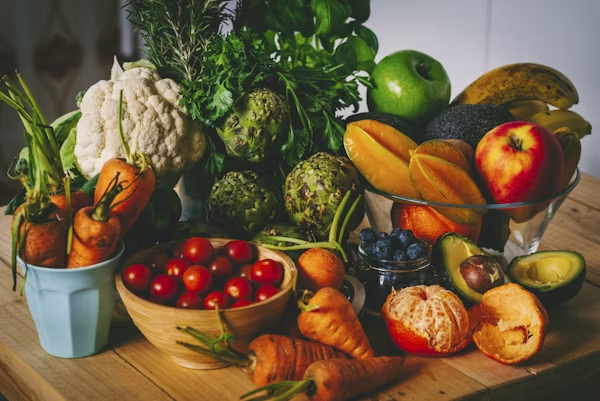
Photo Unsplash
Conclusion
Savoring the local and fresh fruits and vegetables is not only a healthy activity but a happy and sensual one, to get you back in touch with nature. Roasting, grilling, blending, and baking all emphasize the colorful flavors and textures in fresh and in-season produce. You can guarantee healthy, nutritious, and satisfying meals by employing your senses and checking the color, taste quality, and smell of the products you buy to ensure you are getting all you need to eat.
Eating local allows one to get creative in the kitchen, helps local farmers, and cares for the body and the earth. That is why, next time you come to a market, use the colors and the smells to make your decisions. You will discover that eating in harmony with the seasons, with each tasting bite, is easy and good for you.
*This article is based on personal suggestions and/or experiences and is for informational purposes only. This should not be used as professional advice. Please consult a professional where applicable.
Discover more from Michigan Mama News
Subscribe to get the latest posts sent to your email.


