
Simple Ways to Spark Everyday Curiosity at Home
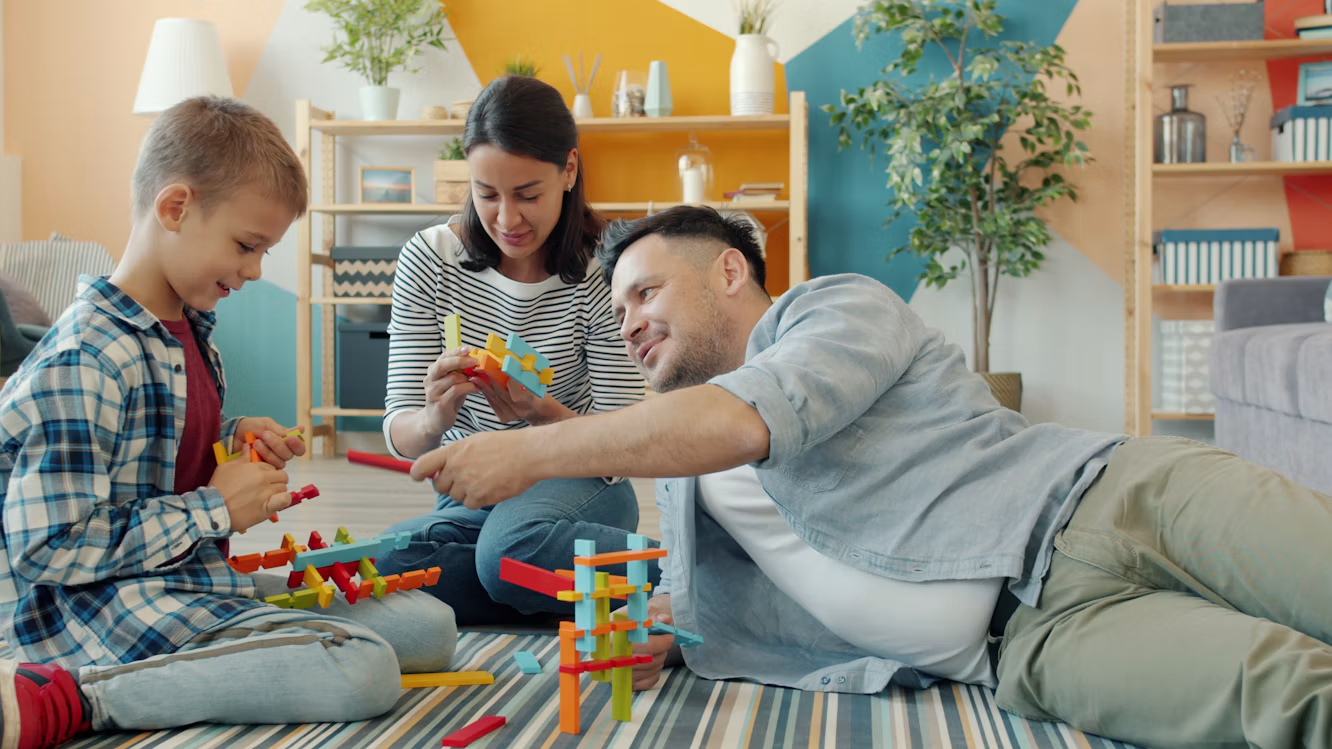
Image Credit: Unsplash
This post may contain affiliate links. Read the full disclosure here.
Curiosity grows through ordinary moments at home, from watching ice melt to wondering why a spoon looks bent in a glass of water. You don’t need a formal lesson plan or a cabinet full of specialized supplies to encourage it. Your attention, a few open-ended questions and room for children to test their ideas can turn daily routines into meaningful learning experiences.
The best activities often begin with something a child already notices. When you pause to explore that interest together, you show that questions deserve time and that discovery can happen anywhere.
Questions That Invite Wonder
Start by asking questions that leave room for more than one possible answer. “What do you notice?” works well because children can respond at their own level. Follow it with “What do you think will happen next?” or “How could we find out?” These prompts invite observation, prediction and testing without turning the conversation into a quiz.
During breakfast, your child might notice that cereal becomes soft in milk. Ask which type they think will stay crunchy longest, then compare two or three pieces. On a walk, invite them to study where puddles disappear first. At bath time, test which containers float when empty and what happens as they fill with water.
A helpful guide to nurturing curiosity recommends giving children time to investigate their own questions. That can require patience, especially when you already know the answer. Pause before explaining and ask what your child thinks. Their theory may reveal a connection you hadn’t considered.
You can also model curiosity out loud. Say, “I wonder why the plant leans toward that window,” then suggest observing it for several days. Keep a small notebook nearby so children can draw what they see or ask an adult to record their words. Their questions don’t all need immediate answers. A running “wonder list” gives your family ideas for future experiments, library visits and conversations.
Everyday Materials for Big Discoveries
Look through your recycling bin, kitchen drawers and craft supplies before buying anything new. Cardboard tubes, paper cups, aluminum foil, rubber bands and clean containers support dozens of simple investigations. A child can build a marble run on a wall with tubes and removable tape, then adjust the slope when the marble slows down or falls.
Kitchen ingredients are useful too. Try dissolving equal spoonfuls of salt in warm and cold water, or place celery stalks in cups of colored water to watch the color travel upward. Keep food used for experiments separate from anything your family plans to eat, and supervise activities involving small objects, heat or spills.
If your child wants a guided project or you need ideas suited to a particular age, online resources for STEM learning can help you choose activities, circuit crafts and educational products for home use. Pick one that connects with a current interest. A child fascinated by rain may enjoy exploring the water cycle, while one who loves building may prefer a bridge challenge made from paper.
Don’t worry if your supplies don’t match a project exactly. Substituting materials becomes part of the investigation. Wax paper might behave differently from cardboard, and yarn may stretch more than string. Resources on curiosity at home also encourage families to draw learning opportunities from regular routines and familiar surroundings. A laundry basket can become a pulley load, measuring cups can explore volume, and a flashlight can introduce shadows.
Practical Approaches to STEM Learning
Keep home activities short enough to match your child’s attention span. Ten focused minutes may lead to better discussion than an hour-long project that becomes tiring. You can always leave a safe setup on a tray and return to it later.
Use a simple three-part rhythm: predict, test and talk. Before dropping several objects into water, ask your child to predict which will float. Test each item, then talk about patterns. Shape and material may matter more than size, which explains why a large plastic lid can float while a small metal washer sinks.
Connect science, technology, engineering and math to tasks your family already does. Let children compare prices at the grocery store, measure a shelf before moving it or estimate how many socks will fit in a drawer. When baking, they can count scoops and compare fractions. In the yard or at a window, they can track temperature, cloud cover or plant growth on the same day each week.
Offer choices when interest starts to fade. Your child might draw the results, take photos or explain the activity to another family member. Each option helps them organize information in a different way. You can support curious thinking in children by encouraging careful observation and welcoming their ideas during play.
Keep explanations brief and accurate. If you don’t know an answer, say so and look for it together in a library book or a trusted educational source. Seeing an adult verify information teaches children that learning continues beyond school and that uncertainty is a normal starting point.
It also helps to adjust your role as children gain confidence. Younger children may need you to gather materials and demonstrate safe handling. Older children can plan a fair comparison, decide what to measure and record results in a table. Ask them what must stay the same during each trial. For example, a paper-airplane test works better when every model launches from the same line with a similar throw.
Celebrating Failed Experiments Together
Treat an unexpected result as useful information. If a paper bridge collapses under five toy cars, your child has learned something about its current shape and strength. Ask which part bent first, then invite them to change one feature. Folding the paper, shortening the span or adding supports gives them a clear next test.
Your response matters in these moments. Avoid stepping in with the solution as soon as frustration appears. Acknowledge the feeling, offer a short break and help divide the problem into smaller pieces. You might say, “That didn’t hold as much as you predicted. Which part would you like to change first?” This keeps ownership with the child while providing enough support to continue.
Share your own small mistakes too. If you measured a board incorrectly or forgot an ingredient, explain how you noticed the problem and what you’ll do next. Children benefit from seeing that adults revise plans without embarrassment.
A family experiment log can make setbacks feel productive. Record the question, prediction, result and next idea on one page. Young children can draw pictures, while older kids can add measurements or labels. Over time, the pages show that useful projects often require several attempts.
Celebrate specific habits instead of praising only a successful result. Notice when your child tested a new design, watched closely or kept going after a spill. Comments such as “You changed one thing so you could compare the results” connect effort to a practical skill.
Some days, a child may decide they’re finished after one attempt. That’s fine. Leave the question open and save the materials if practical. Curiosity can return the next morning, especially when the half-built bridge or cup of newly colored celery is waiting on the table. Those unfinished experiments often become the ones children remember and explain with the most pride.
*This article is based on personal suggestions and/or experiences and is for informational purposes only. This should not be used as professional advice. Please consult a professional where applicable.

Discover more from Michigan Mama News
Subscribe to get the latest posts sent to your email.


