How Families Can Stay Safer on Every Car Journey
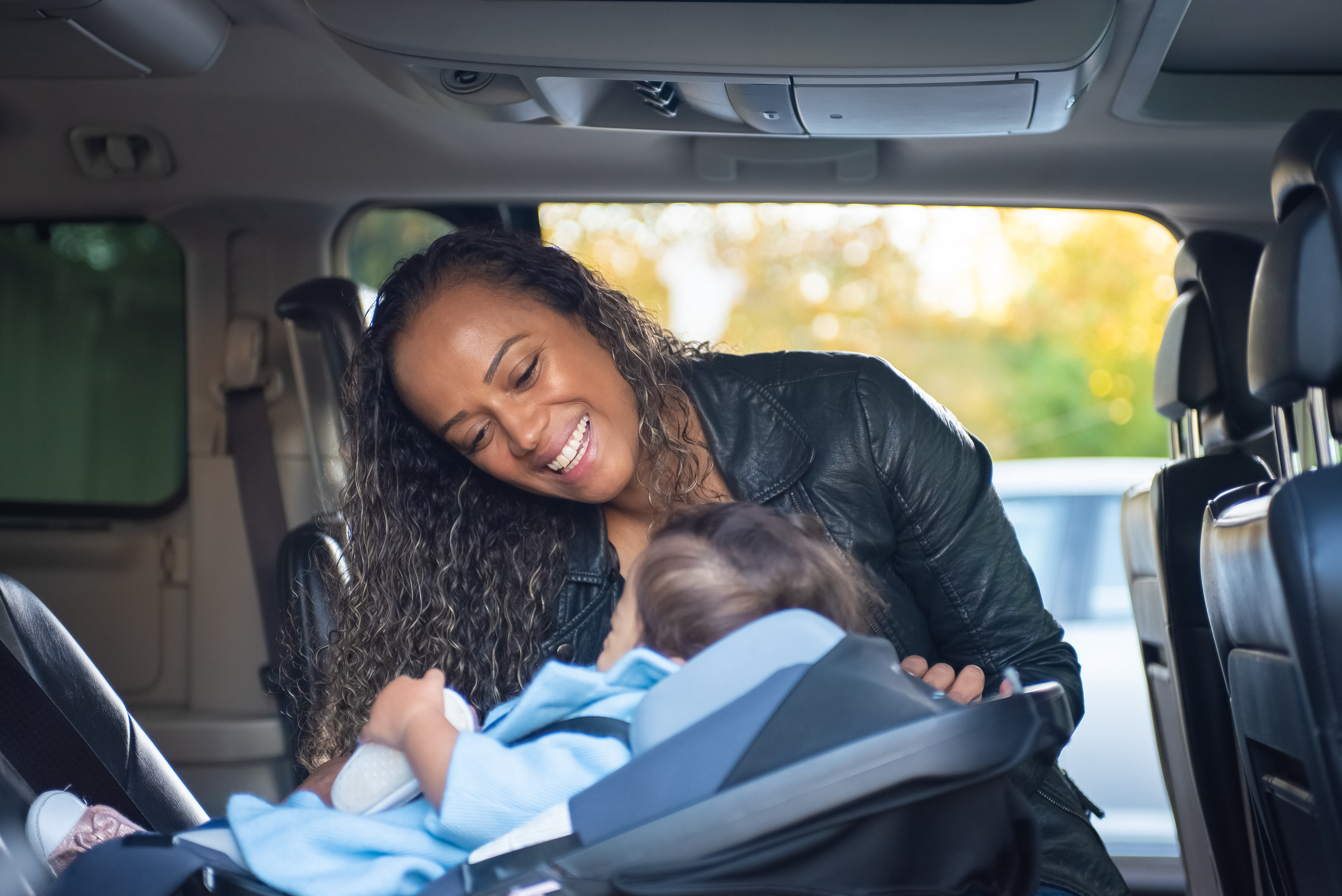
Photo by Pexels.
This post may contain affiliate links. Read the full disclosure here.
Every trip in the car, from a quick school run to a long road trip, relies on a foundation of safety. For families, this means more than just buckling up; it involves a proactive approach that covers your passengers, your driving habits, and your vehicle itself. Building these practices into your routine helps protect your loved ones on every journey.
Child Passenger Safety Best Practices
Keeping your youngest passengers safe starts with the right car seat, installed and used correctly on every single ride. The rules might seem complicated, but they are based on a child’s height, weight, and age. Infants and toddlers should stay in rear-facing car seats for as long as possible, until they reach the highest weight or height limit allowed by the seat’s manufacturer. After that, they can move to a forward-facing car seat with a harness. Once they outgrow that, a booster seat positions the vehicle’s seat belt correctly across their body. The National Highway Traffic Safety Administration offers detailed car seat and booster seat guidelines to help you choose and install the right one. For more information, you can also review these child passenger safety tips to ensure you are following the best practices.
Defensive Driving for Daily Commutes
How you drive is just as important as the safety features in your car. Practicing defensive driving means anticipating potential hazards and making conscious choices to avoid them, a key aspect of parent and child safety. The single most effective habit is to eliminate distractions. Put your phone away and out of reach, set your navigation before you start driving, and avoid eating or complex conversations that take your focus off the road. Maintain a safe following distance of at least three to four seconds behind the vehicle in front of you. This gives you enough time to react and brake smoothly if they stop suddenly. Always be aware of your surroundings, checking your mirrors frequently and scanning the road ahead for potential issues like pedestrians, cyclists, or erratic drivers.
Vehicle Maintenance for Road Readiness
A well-maintained vehicle is a safer vehicle. You don’t need to be a mechanic to take a few simple steps that make a big difference in your car’s reliability and safety. Regularly check your tire pressure, as improperly inflated tires can affect handling and braking. It’s also wise to inspect your tire tread to ensure you have enough grip, especially in wet or icy conditions. Get in the habit of periodically checking your fluid levels, including engine oil, coolant, and windshield washer fluid. Finally, make sure all your lights are working correctly: headlights, brake lights, and turn signals. A quick walk around your car before a long trip can help you spot any issues before they become major problems.
Understanding No-Fault Coverage
Knowing a little about your auto insurance can provide clarity after an incident. Many states, including Michigan, operate under a no-fault insurance system. This system is designed to simplify the claims process after an accident. It means your own insurance policy will cover your initial medical expenses and lost wages up to a certain limit, regardless of who was at fault for the collision. This helps ensure people receive prompt medical care without waiting for a lengthy fault determination. However, when injuries are severe, or the circumstances are complex, navigating the claims process can be challenging. If Spanish speaking, talking with an abogado de accidentes de auto can help you better understand your rights, the claims process, and what steps may be appropriate for your situation.
Emergency Kit Essentials
Even with the best preparation, unexpected situations can happen. Having a well-stocked emergency kit in your car can turn a potential crisis into a manageable inconvenience. A good kit prepares you for common roadside issues and provides comfort while you wait for help. Consider keeping these items in a small bag or container in your trunk:
- A basic first-aid kit
- Jumper cables
- A portable phone charger or power bank
- A flashlight with extra batteries
- Bottled water and non-perishable snacks
- Blankets or emergency space blankets
- Basic tools like a tire pressure gauge and a multi-tool
- Road flares or reflective triangles
Taking a few minutes to assemble this kit can make a world of difference if you ever find yourself stranded. It’s a simple step that provides significant reassurance for any family on the go.
Focusing on these key areas helps you create a culture of safety that surrounds your family every time you get in the car. These habits and preparations are small investments that pay off in a big way.
*This article is based on personal suggestions and/or experiences and is for informational purposes only. This should not be used as professional advice. Please consult a professional where applicable.
Discover more from Michigan Mama News
Subscribe to get the latest posts sent to your email.